
The Role of Sensors in Garage Opener Repair
- COMMERCIAL GARAGE DOOR REPAIR
- GARAGE DOOR OPENER INSTALLATION
- GARAGE DOOR SPRING REPAIR
- SAME-DAY GARAGE DOOR REPAIR
- CUSTOM GARAGE DOOR
- GARAGE DOOR OPENER REPAIR
- GARAGE DOOR TRACK REPAIR
- GARAGE DOOR CABLE REPAIR
- GARAGE DOOR PANEL REPAIR
- LOCAL GARAGE DOOR REPAIR
- GARAGE DOOR REPLACEMENT
- NOISY GARAGE DOOR FIX
- GARAGE DOOR INSTALLATION
- GARAGE DOOR SECTION REPLACEMENT
- OVERHEAD GARAGE DOOR REPAIR
- GATE REPAIR
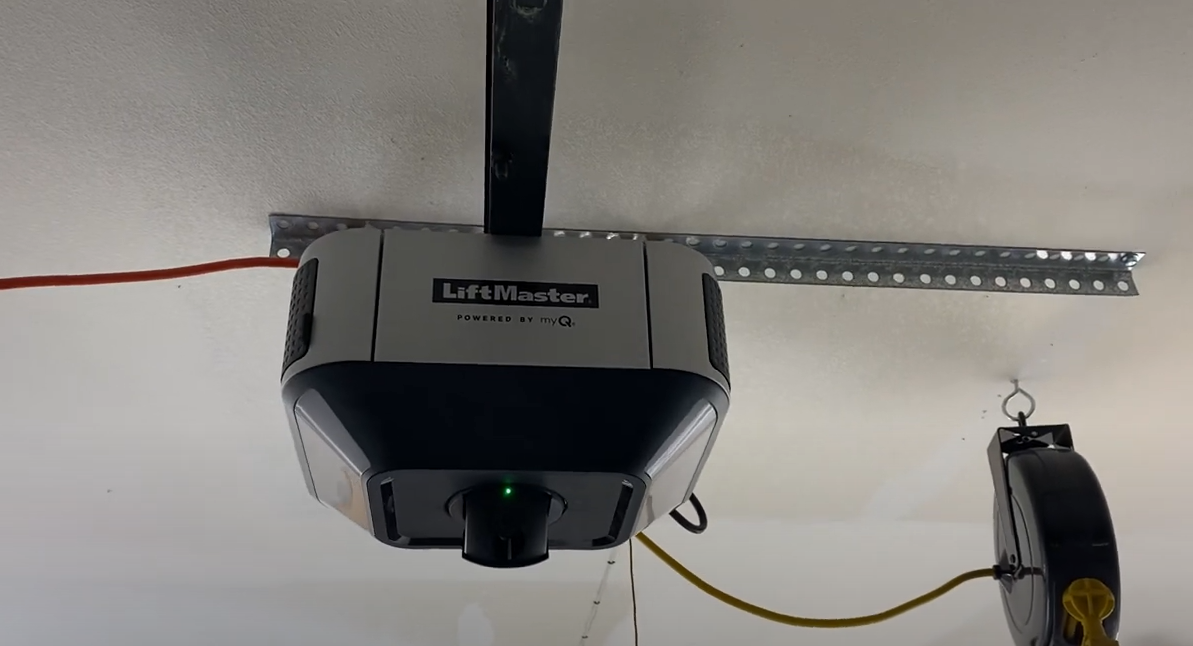
The Role of Sensors in Garage Opener Repair
Modern garage door openers rely on sophisticated safety sensors to prevent accidents and protect your family from harm. These small but critical components work tirelessly behind the scenes, creating invisible barriers that detect obstacles and reverse door movement when necessary. When sensors malfunction, they can trigger a cascade of problems that often require professional garage door opener repair services to diagnose and resolve properly.
Safety sensors have become mandatory equipment on all garage door openers manufactured since 1993, following federal safety regulations designed to prevent entrapment injuries. Garage Door Repair Granville Ohio has witnessed firsthand how these life-saving devices have dramatically reduced accidents, but they’ve also introduced new complexities that homeowners must understand to maintain their systems effectively. When sensors fail or become misaligned, they can render your entire garage door system inoperable or create dangerous conditions where safety features don’t function as intended.
Understanding how sensors work and recognizing the signs of sensor problems empowers you to identify issues early and take appropriate action. These devices use infrared technology to create an invisible beam across your garage door opening, constantly monitoring for obstructions during closing cycles. When the beam is interrupted, the opener immediately reverses direction or stops completely, preventing the door from crushing whatever caused the interruption.
How Safety Sensors Function in Your Garage Door System
Garage door safety sensors operate as a pair of photoelectric devices mounted on either side of your garage door opening, typically positioned six inches above the floor. One sensor acts as a transmitter, sending an invisible infrared beam across the door opening, while the opposite sensor serves as a receiver that detects this beam continuously.
The transmitter contains an LED light source that emits infrared radiation invisible to the human eye. This beam travels in a straight line across the garage opening to the receiver sensor, which contains a photodetector that converts the light signal into electrical current. As long as the receiver detects the uninterrupted beam, it sends a “clear” signal to the opener’s control board, allowing normal door operation.
When an object interrupts the infrared beam during a closing cycle, the receiver immediately stops detecting the signal and sends an alarm to the control board. The opener’s logic system responds within milliseconds, either stopping the door’s downward movement or reversing direction to prevent contact with the obstruction. This rapid response time makes the difference between minor inconvenience and serious injury.
Most modern sensors include additional diagnostic features that help identify problems before they become safety hazards. LED indicator lights on each sensor show operational status, with steady lights indicating proper alignment and function. Blinking or dark indicator lights suggest misalignment, obstruction, or electrical problems that require attention.
The sensors connect to your garage door opener through low-voltage wiring that carries both power and signal information. This wiring runs from each sensor back to the opener unit, where connections integrate with the main control board. Damaged wiring, loose connections, or corrosion at junction points can disrupt sensor operation and create intermittent problems that are challenging to diagnose.
Common Sensor Problems That Affect Door Operation
Sensor misalignment represents the most frequent cause of garage door problems related to safety systems. Even slight movement of a sensor mount can disrupt the infrared beam, causing the opener to behave as if an obstruction is present. Vibration from normal door operation, settling of the garage structure, or accidental contact during maintenance can shift sensors out of proper alignment.
Visual inspection often reveals obvious alignment issues, but subtle misalignment requires more careful examination. The sensors should point directly at each other, creating a perfectly straight beam path across the door opening. Most sensors include adjustment screws or brackets that allow fine-tuning of the beam direction to achieve optimal alignment.
Dirty sensor lenses create another common problem that mimics more serious malfunctions. Dust, spider webs, condensation, or other debris on the lens surface can partially block the infrared beam, causing intermittent operation or complete failure. Regular cleaning with a soft cloth removes most contaminants, but stubborn deposits may require gentle cleaning with appropriate solvents.
Environmental factors significantly impact sensor reliability. Direct sunlight can overwhelm the infrared receiver, particularly during certain times of day when the sun shines directly into the sensor. Temperature extremes cause expansion and contraction of mounting hardware, potentially affecting alignment. Moisture from rain, snow, or high humidity can create condensation on lens surfaces or cause corrosion of electrical connections.
Wiring problems account for many sensor-related failures that appear complex but often have simple solutions. Rodents sometimes chew through low-voltage wiring, creating intermittent connections that cause erratic behavior. Landscaping activities, construction work, or routine maintenance can accidentally damage buried or exposed sensor wires. Connection points at junction boxes or the opener unit itself may corrode over time, creating high-resistance connections that interfere with proper signal transmission.
Troubleshooting Sensor Issues Before Calling for Service
Systematic troubleshooting can help identify sensor issues and determine if professional repairs are needed. Start by checking the sensor indicator lights with the garage door open. Both sensors should show steady lights, usually green or red depending on the manufacturer. If a light is off, blinking, or an unusual color, you’ve likely found the issue.
Check for obstructions in the beam path, such as tools, debris, or even small items like leaves or insects. Remove anything blocking the sensors and test the door to see if this resolves the problem.
Inspect the sensors for physical damage, loose mounting, or signs of moisture. Sensors should be securely attached, with no cracks or damage to the lenses. Wiring should be tight, free of corrosion, and intact.
Clean the sensor lenses with a soft, dry cloth to remove dust or spider webs. If needed, use a slightly damp cloth or lens cleaner, but make sure the sensors are dry before testing. Avoid abrasive materials or harsh chemicals that can damage the lenses.
Test alignment by waving your hand between the sensors. The indicator lights should change when the beam is interrupted and return to steady when clear. If a sensor doesn’t respond, it may be internally damaged or have wiring issues requiring professional attention.
If these steps don’t fix the issue or you find damaged wiring or faulty sensors, seek professional help. Sensor problems can pose safety risks if not properly addressed. Complex repairs without expertise can worsen the problem or compromise safety.
Modern garage doors rely on functional sensors to protect your family and property. Understanding these components and addressing issues promptly keeps your door safe and reliable. Regular maintenance and expert repairs ensure your safety systems continue to work. For professional, reliable service, trust Garage Door Repair Granville Ohio to diagnose and resolve sensor problems.