
How to Fix a Garage Opener Remote That’s Not Working
- COMMERCIAL GARAGE DOOR REPAIR
- GARAGE DOOR OPENER INSTALLATION
- GARAGE DOOR SPRING REPAIR
- SAME-DAY GARAGE DOOR REPAIR
- CUSTOM GARAGE DOOR
- GARAGE DOOR OPENER REPAIR
- GARAGE DOOR TRACK REPAIR
- GARAGE DOOR CABLE REPAIR
- GARAGE DOOR PANEL REPAIR
- LOCAL GARAGE DOOR REPAIR
- GARAGE DOOR REPLACEMENT
- NOISY GARAGE DOOR FIX
- GARAGE DOOR INSTALLATION
- GARAGE DOOR SECTION REPLACEMENT
- OVERHEAD GARAGE DOOR REPAIR
- GATE REPAIR
How to Fix a Garage Opener Remote That's Not Working
Nothing ruins your morning routine quite like pressing your garage door remote only to be met with silence. Your car is loaded, you’re running late, and suddenly your reliable garage door opener remote has decided to take a vacation. Before you assume you need expensive garage door opener repair services, there are several troubleshooting steps you can take to get your remote working again. Most remote control issues stem from simple problems that homeowners can fix in just a few minutes.
Remote control problems account for a significant portion of service calls, but experienced technicians know that many of these issues don’t require professional intervention. Garage Door Repair Granville Ohio has found that roughly 70% of remote-related complaints can be resolved through basic troubleshooting techniques. The key is understanding how your remote communicates with the opener and systematically checking each potential point of failure.
Your garage door remote uses radio frequency signals to communicate with a receiver inside your opener unit. This wireless connection depends on several factors working together: adequate battery power, clear signal transmission, proper programming, and a functioning receiver. When any of these elements fails, your remote stops working reliably. Understanding this communication chain helps you identify where the problem lies and apply the most effective solution.
Diagnosing Remote Control Problems: A Systematic Approach
Effective remote troubleshooting requires a methodical approach that tests each component of the communication system. Start with the most obvious culprits before moving to more complex diagnostics. This systematic process prevents you from wasting time on complicated solutions when a simple fix might solve the problem.
Begin by testing your remote from different distances and positions. Stand directly in front of your garage door and press the remote button while pointing it at the opener unit. If it works from close range but not from your usual position, you’re dealing with a signal strength issue rather than a complete remote failure.
Next, check whether other remotes or the wall-mounted control panel still operate the door. If these alternative controls work normally, the problem is isolated to your specific remote. However, if nothing responds to commands, the issue likely lies with the opener’s receiver or power supply rather than the remote itself.
Pay attention to any LED indicators on both the remote and the opener unit. Many remotes have small lights that flash when you press the button, confirming that the device is attempting to send a signal. Similarly, most opener units have LED lights that blink when receiving commands. These visual cues provide valuable diagnostic information about where the communication breakdown occurs.
Battery Issues and Power Problems
Dead or weak batteries cause the majority of remote control failures. Even if your remote occasionally works, inconsistent battery power can create intermittent operation that’s frustrating to diagnose. Modern garage door remotes typically use small lithium or alkaline batteries that can last several years under normal conditions.
Remove the battery cover and inspect the battery compartment for corrosion or debris. White, crusty deposits around the battery terminals indicate corrosion that interferes with electrical contact. Clean these deposits with a cotton swab dipped in rubbing alcohol, then dry thoroughly before installing fresh batteries.
When replacing batteries, always use the exact type specified in your remote’s manual. Using the wrong battery type can damage the internal circuitry or provide insufficient power for reliable operation. Insert batteries with proper polarity alignment, ensuring the positive and negative terminals match the markings inside the compartment.
After installing new batteries, test the remote immediately. If it still doesn’t work, the problem likely lies elsewhere in the system. However, if the remote works initially but quickly loses effectiveness, you may have received defective batteries or there’s an underlying power drain issue within the remote itself.
Some remotes include battery life indicators or low-battery warnings. These features help you replace batteries before they completely fail, preventing the inconvenience of a dead remote. If your remote lacks these indicators, consider marking your calendar to replace batteries annually as preventive maintenance.
Signal Interference and Range Problems
Radio frequency interference can significantly impact your remote’s effectiveness. Modern homes contain numerous electronic devices that operate on similar frequencies, including WiFi routers, cell phones, baby monitors, and LED light bulbs. These devices can create interference that blocks or distorts your remote’s signals.
Metal objects near the opener unit or in the signal path can also reflect or absorb radio waves. Large metal doors, vehicles parked in specific positions, or even new metal roofing can affect signal transmission. If your remote worked previously but stopped functioning after changes to your garage or surrounding area, consider whether new obstacles might be blocking the signal.
Weather conditions occasionally impact remote performance, particularly during storms or periods of high humidity. Atmospheric interference can temporarily reduce your remote’s effective range or cause intermittent operation. If problems coincide with specific weather patterns, this may be the underlying cause.
Test your remote’s range by gradually increasing your distance from the garage door. Most remotes should work reliably from at least 50 feet away under normal conditions. If your effective range has decreased significantly, the problem might be a weak transmitter in the remote, a failing receiver in the opener unit, or interference from nearby sources.
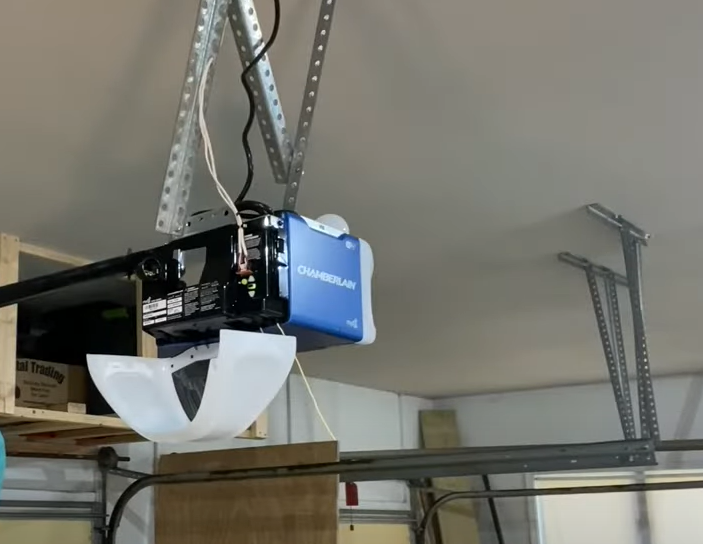
Consider the age and condition of your opener’s antenna, which receives signals from your remote. The antenna should hang straight down from the opener unit and remain free from obstructions. A damaged or improperly positioned antenna dramatically reduces signal reception and limits your remote’s effective range.
Remote control problems can be frustrating, but most issues respond well to systematic troubleshooting. By checking batteries, testing signal strength, and examining potential interference sources, you can often restore reliable operation without professional assistance. However, if these basic steps don’t resolve the problem, or if you discover issues with the opener unit itself, don’t hesitate to contact experienced professionals. The skilled technicians at Garage Door Repair Granville Ohio can quickly diagnose complex remote control problems and provide lasting solutions that restore the convenience and reliability you expect from your garage door system.