
How Long Do Garage Door Springs Last? Repair Tips Inside!
- COMMERCIAL GARAGE DOOR REPAIR
- GARAGE DOOR OPENER INSTALLATION
- GARAGE DOOR SPRING REPAIR
- SAME-DAY GARAGE DOOR REPAIR
- CUSTOM GARAGE DOOR
- GARAGE DOOR OPENER REPAIR
- GARAGE DOOR TRACK REPAIR
- GARAGE DOOR CABLE REPAIR
- GARAGE DOOR PANEL REPAIR
- LOCAL GARAGE DOOR REPAIR
- GARAGE DOOR REPLACEMENT
- NOISY GARAGE DOOR FIX
- GARAGE DOOR INSTALLATION
- GARAGE DOOR SECTION REPLACEMENT
- OVERHEAD GARAGE DOOR REPAIR
- GATE REPAIR
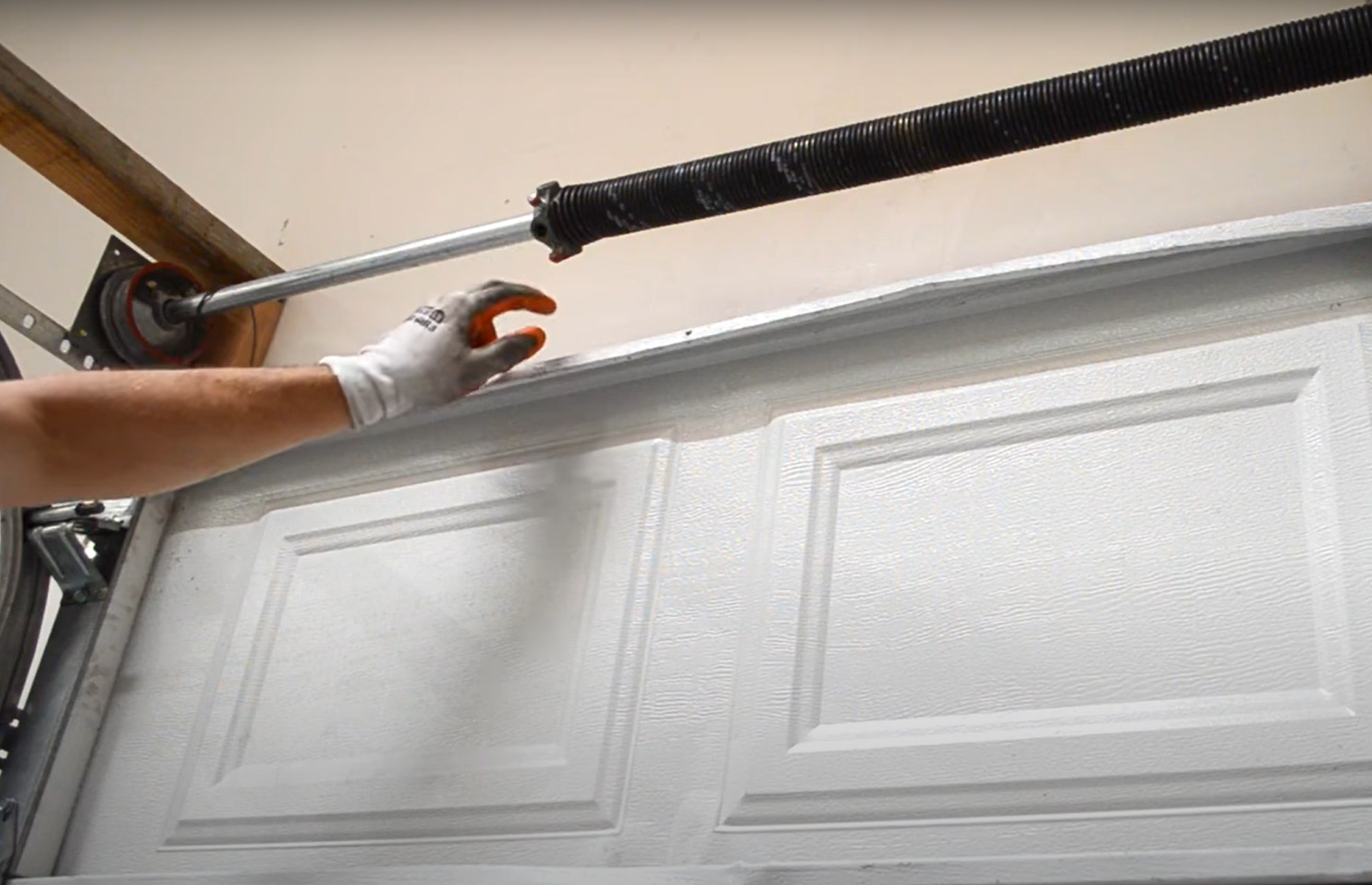
How Long Do Garage Door Springs Last? Repair Tips Inside!
Your garage door springs are the unsung heroes of your daily routine, silently lifting hundreds of pounds thousands of times throughout their service life. But like all mechanical components, they won’t last forever. Understanding their typical lifespan and recognizing when you might need garage door spring repair can save you from unexpected breakdowns, costly emergency service calls, and potential safety hazards. Most homeowners are surprised to learn that spring longevity depends on several factors beyond simple time – and that proactive maintenance can significantly extend their operational life.
The reality is that garage door springs operate on cycles, not calendar years. Every time you open and close your garage door, you’re using one cycle from your springs’ total lifespan. This cycle-based wear pattern means a family who rarely uses their garage might enjoy springs that last decades, while busy households could need replacements within just a few years. Understanding this relationship helps you plan maintenance schedules and anticipate when professional service might be necessary.
At Garage Door Repair Granville Ohio, we know that weather conditions, installation quality, and maintenance habits all play crucial roles in determining actual spring lifespan. Springs exposed to extreme temperatures, high humidity, or corrosive environments will deteriorate faster than those in climate-controlled settings. The good news? You can influence many of these factors through proper care and attention, potentially doubling or even tripling your springs’ effective lifespan.
Factors That Determine Spring Longevity
Garage door springs come with cycle ratings that indicate their expected lifespan under normal operating conditions. Standard springs typically offer 10,000 cycles, while premium high-cycle springs can handle 20,000 to 50,000 cycles or more. To put this in perspective, a family that uses their garage door four times daily will complete approximately 1,460 cycles annually. Standard springs would theoretically last about seven years, while high-cycle versions could function reliably for 15-35 years.
However, these manufacturer ratings assume ideal conditions that rarely exist in real-world applications. Temperature fluctuations dramatically affect spring performance and longevity. Cold weather makes steel brittle and prone to sudden failure, while extreme heat accelerates metal fatigue. Springs in unheated garages experience more stress than those in climate-controlled environments.
The type of spring system also influences lifespan expectations. Torsion springs, which mount horizontally above the door and twist to store energy, generally last longer than extension springs that stretch along the door tracks. Torsion springs distribute stress more evenly and experience less dynamic loading during operation. Extension springs undergo repeated stretching and contracting that creates fatigue points, often leading to earlier replacement needs.
Installation quality significantly impacts spring longevity. Properly balanced doors reduce spring stress, while misaligned tracks or incorrect spring tension creates uneven wear patterns. Professional installation ensures optimal performance from day one, while DIY installations often create problems that shorten component life. The initial investment in quality installation typically pays dividends through extended spring service life.
Environmental Challenges and Solutions
Moisture poses one of the greatest threats to garage door spring longevity. Humidity promotes rust and corrosion that weaken spring steel over time. Coastal environments with salt air create particularly harsh conditions that can reduce spring life by 50% or more. Even inland areas experience moisture challenges from seasonal humidity, vehicle snow melt, and poor garage ventilation.
Combat moisture problems through improved garage ventilation and climate control. Install exhaust fans or ensure adequate natural air circulation to reduce humidity levels. Dehumidifiers help in particularly problematic environments. Some homeowners apply protective coatings to springs in high-corrosion areas, though this requires reapplication as coatings wear away.
Chemical exposure accelerates spring deterioration beyond simple moisture damage. Road salt from winter driving creates highly corrosive conditions when vehicles drip in enclosed garages. Cleaning chemicals, fertilizers, and automotive fluids can contact springs through splashing or vapor exposure. Regular cleaning and proper storage of chemicals reduces these risks significantly.
Temperature extremes stress spring steel through repeated expansion and contraction cycles. Uninsulated garages in climates with wide temperature swings subject springs to constant thermal stress. While you can’t control outside temperatures, garage insulation moderates temperature swings and reduces thermal stress on all garage door components, including springs.
Maintenance Practices That Extend Spring Life
Regular lubrication forms the cornerstone of effective spring maintenance. Use only garage door-specific lubricants that resist temperature extremes and provide long-lasting protection. Apply lubricant to springs every three months, or more frequently in harsh environments. Focus on spring coils and bearing surfaces, but avoid over-lubrication that attracts dirt and debris.
Clean springs before lubricating to ensure proper adhesion and maximum protection. Remove surface rust with fine steel wool or wire brushes, then wipe clean with dry cloths. Never use water-based cleaners that can promote additional rust formation. This preparation step often gets skipped but significantly improves lubrication effectiveness.
Balance testing reveals spring condition and helps identify problems before they cause failures. Disconnect your garage door opener and manually lift the door halfway. A properly balanced door should stay in position or move slowly up or down. Doors that fall quickly or shoot upward indicate spring problems that need immediate attention from professionals like Garage Door Repair Granville Ohio.
Monitor spring condition through regular visual inspections. Look for rust spots, gaps in spring coils, or visible stretching in extension springs. Torsion springs should maintain consistent coil spacing, while extension springs shouldn’t show obvious elongation when the door is closed. Document findings with photos to track changes over time and provide information to service technicians when needed.
Recognizing When Springs Need Professional Attention
Springs rarely fail without warning, and attentive homeowners can spot the signs early. Unusual sounds like grinding, squeaking, or popping often indicate spring stress or related hardware issues. These noises tend to worsen over time, allowing for proactive maintenance before a complete failure.
Operational changes often signal spring problems. Slow, jerky door movements or doors that don’t fully open suggest weakening springs. Your garage door opener may run longer or sound strained while lifting an unbalanced door. These issues often appear months before a spring fails completely.
Visual inspections can reveal spring wear. Rust, especially around spring ends, weakens the metal. Gaps in torsion spring coils or stretching in extension springs indicate fatigue. Cracks or breaks require immediate professional attention.
Cable problems often accompany spring issues. Frayed or stretched cables and loose connections signal system imbalance caused by weakened springs. Address these issues promptly to avoid door crashes that could damage property or cause injury.
Understanding spring failure patterns helps you plan replacements and avoid emergencies. Springs usually weaken over months or years, though sudden failures can happen, especially in cold weather. Replacing springs during scheduled maintenance saves money and avoids unexpected breakdowns.
Professional spring service ensures safety and proper installation. Garage door springs store enough energy to lift hundreds of pounds and can release it violently if mishandled. Special tools and expertise are needed to safely manage spring tension.
High-cycle replacement springs provide better value, lasting longer and performing better than cheaper alternatives. Discuss upgrade options with a professional technician who can recommend the best solution for your usage and environment.
Warranty coverage often requires professional installation and regular maintenance. Keep records of all maintenance and service to protect your warranty.
Garage door springs typically last 7–15 years with normal use. Proper maintenance, like lubrication and balance testing, can extend their lifespan, while neglect shortens it. Regular care catches issues early, reducing repair costs.
For expert spring evaluation, maintenance, and replacement, choose experienced technicians who prioritize safety and quality. Garage Door Repair Granville Ohio delivers reliable solutions to keep your garage door functioning smoothly for years.