
Garage Door Repair: What You Need to Know to Keep It Smooth
- COMMERCIAL GARAGE DOOR REPAIR
- GARAGE DOOR OPENER INSTALLATION
- GARAGE DOOR SPRING REPAIR
- SAME-DAY GARAGE DOOR REPAIR
- CUSTOM GARAGE DOOR
- GARAGE DOOR OPENER REPAIR
- GARAGE DOOR TRACK REPAIR
- GARAGE DOOR CABLE REPAIR
- GARAGE DOOR PANEL REPAIR
- LOCAL GARAGE DOOR REPAIR
- GARAGE DOOR REPLACEMENT
- NOISY GARAGE DOOR FIX
- GARAGE DOOR INSTALLATION
- GARAGE DOOR SECTION REPLACEMENT
- OVERHEAD GARAGE DOOR REPAIR
- GATE REPAIR
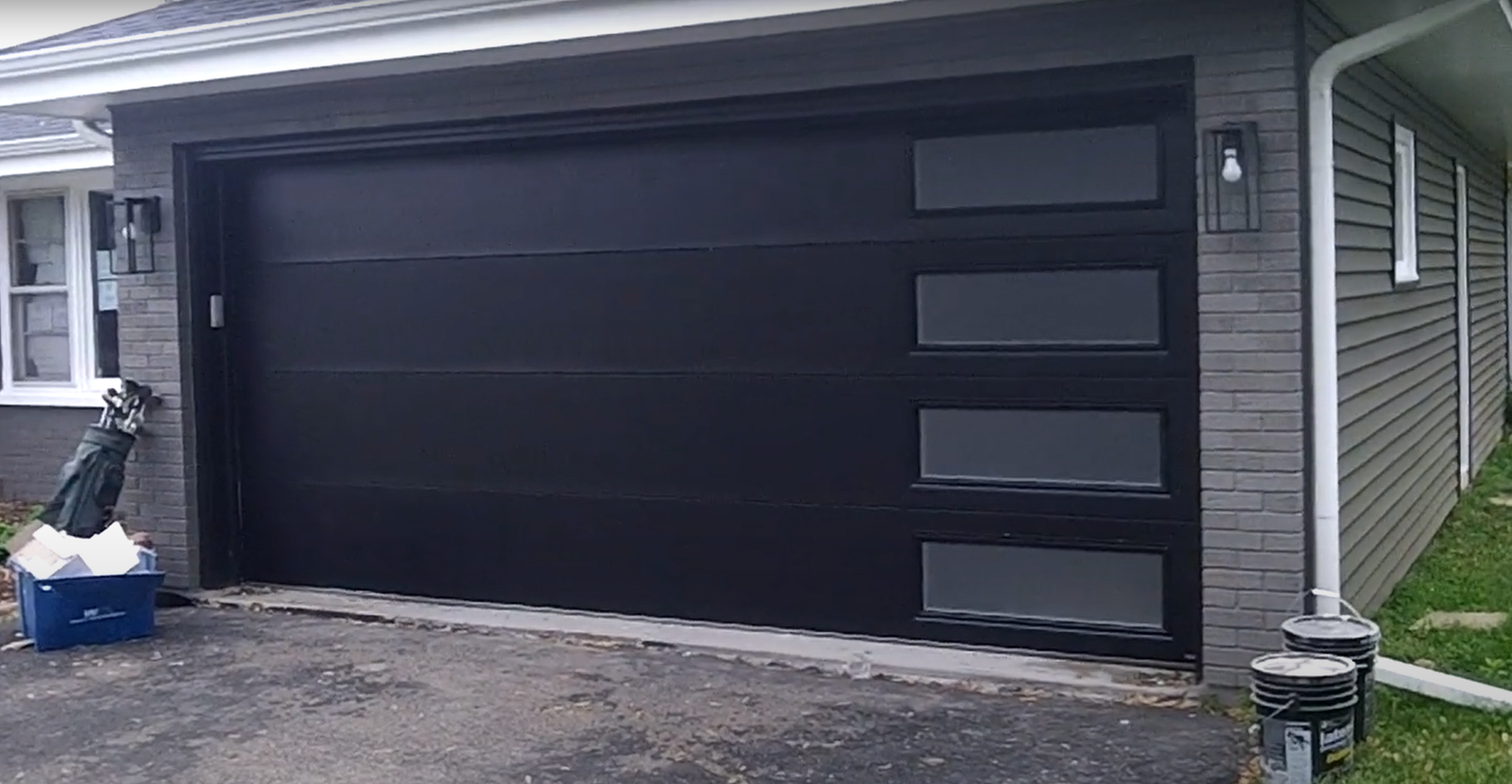
Garage Door Repair: What You Need to Know to Keep It Smooth
Your garage door performs thousands of cycles each year, making it one of your home’s most frequently used mechanical systems. When this essential component starts showing signs of wear or suddenly stops working, understanding the fundamentals of garage door repair can save you time, money, and frustration. From identifying early warning signs to knowing when professional help from Garage Door Repair Granville Ohio is necessary, comprehensive knowledge about your garage door system empowers you to make informed decisions about maintenance and repairs.
Most homeowners don’t think about their garage door until something goes wrong. However, proactive maintenance and basic troubleshooting skills can prevent many common problems while extending your system’s lifespan significantly. Understanding how different components work together helps you spot potential issues early and take appropriate action before minor problems escalate into costly repairs.
The complexity of modern garage door systems might seem intimidating, but breaking down the process into manageable components makes maintenance and repair much more approachable. This guide covers everything you need to know to keep your garage door operating safely and efficiently for years to come.
Understanding Your Garage Door System Components
Your garage door system is made up of several interconnected components that must work together for reliable operation. The door panels are just one part of a complex system, which includes springs, tracks, rollers, hinges, cables, and an automatic opener. Each component is crucial for performance and safety.
Torsion springs, mounted above the door opening, provide the counterbalance needed to lift heavy garage doors. These springs store and release energy with each door cycle, making it possible to manually operate doors weighing hundreds of pounds. Some systems use extension springs, which stretch and contract along horizontal tracks to offer similar counterbalancing.
The track and roller system guides the door’s movement. Vertical tracks transition to curved sections, redirecting the door toward horizontal tracks along the ceiling. High-quality rollers with sealed bearings ensure smooth, quiet operation and reduce wear on both the rollers and track surfaces.
Hinges connect the door sections while allowing flexibility as the door follows the track’s curve. Proper lubrication and alignment of hinges are essential to avoid binding or uneven wear that can lead to failure.
Safety cables run through extension springs to prevent these parts from turning into dangerous projectiles if a spring fails. Torsion spring systems don’t need safety cables, but both types are under high tension and require professional handling for adjustments or replacements.
The automatic opener includes a motor, drive mechanism (chain, belt, or screw), and various features for safety and convenience. Remote controls, wall switches, and smartphone connectivity make operation easy, while safety sensors prevent the door from closing on people, pets, or objects.
Spring Systems and Their Critical Role
Garage door springs do the heavy lifting that makes door operation possible but are also the most dangerous components. Torsion springs, lasting 7-10 years with normal use, wind and unwind to store and release energy. These springs operate under extreme tension and can cause serious injury or death if mishandled.
Extension springs stretch and contract with door movement. They are typically mounted along the horizontal tracks on either side of the door. While they usually last longer than torsion springs, they can fail suddenly. Safety cables are essential to prevent spring fragments from causing damage or injury.
Signs of spring problems include difficulty opening the door, uneven movement, visible gaps in torsion springs, or doors that won’t stay open. Never attempt to adjust or replace garage door springs yourself. This work requires specialized tools and expertise to ensure safety.
Regular visual inspections can help spot problems before failure. Look for rust, wear, or gaps in spring coils, but do not touch or manipulate springs. Professional technicians can assess spring condition and recommend replacements based on wear and usage patterns.
Track and Hardware Systems
The track system guides your door’s movement and must remain properly aligned for smooth operation. Vertical tracks must be plumb and properly spaced, while horizontal tracks should be level and securely mounted to structural supports. Even minor misalignment can cause binding, uneven wear, or complete system failure.
Rollers travel within the tracks and should move freely without binding or excessive noise. Steel rollers with sealed bearings provide the longest life and quietest operation, while nylon rollers offer quieter performance but may wear faster under heavy use. Worn rollers create additional stress on the opener motor and can damage track surfaces over time.
Track mounting hardware includes brackets, bolts, and support structures that must remain tight and properly aligned. Vibration from normal door operation can loosen hardware over time, making periodic inspection and tightening essential for safe operation.
Hinges connect door sections and allow the flexibility needed for proper track following. Worn hinges can cause binding, uneven door movement, or excessive stress on other system components. Quality hinges feature grease fittings that allow periodic lubrication to extend component life.
Preventive Maintenance and Regular Inspections
Establishing a regular maintenance routine prevents common garage door problems and extends the system’s lifespan. Monthly visual inspections and quarterly maintenance ensure smooth operation and help catch issues early before costly repairs arise.
Begin by watching the door’s operation from inside the garage. Look for smooth movement without jerking, binding, or strange noises. The door should open and close consistently without sudden stops or hesitation.
Check all hardware for looseness, including track brackets, hinge bolts, and roller assemblies. Tighten loose fasteners with the correct tools, but avoid overtightening to prevent damage or stress.
Lubricate moving parts every three to six months with the right products. Use white lithium grease for hinges and roller bearings, and light machine oil for tracks and pivot points. Avoid penetrating oils like WD-40, as they attract dirt over time.
Test safety features regularly to ensure they work. Place a small object in the door’s path – it should stop and reverse immediately upon contact. Align photo-eye sensors properly and clean their lenses for reliable operation.
Clean tracks to remove dirt, leaves, and debris that can block roller movement. Use a damp cloth or soft brush to focus on curved track sections where buildup is common.
Inspect weatherstripping for cracks, tears, or flattening that reduce its effectiveness. Replace damaged weatherstripping promptly to maintain energy efficiency and keep moisture out.
Seasonal Maintenance Tasks
Different seasons bring unique challenges for garage doors. Adjustments during each season help maintain optimal performance. Cold weather can stiffen metal and lubricants, while hot weather may affect door alignment due to expansion.
In winter, check weatherstripping and insulation to prevent ice formation. Apply lubricant more frequently as cold temperatures thicken it.
Spring is a time to clean tracks and hardware, removing salt, debris, and moisture from winter. Inspect for corrosion or damage caused by harsh weather.
In summer, monitor door balance and alignment as metal components expand in heat. Make small adjustments during temperature extremes to keep the door running smoothly.
In fall, clear leaf debris from tracks and inspect weatherstripping before winter arrives. Schedule professional maintenance if annual servicing is part of your routine.
Lubrication Best Practices
Proper lubrication is essential for smooth operation. Use the right lubricants for each component, as incorrect products can cause problems.
Apply white lithium grease to hinges and roller bearings every three to six months. It provides long-lasting lubrication that resists contamination and works in various temperatures.
Keep tracks clean rather than lubricated to avoid attracting debris. If tracks are rough or worn, consult a professional about repairs or replacement.
Lubricate chain drives with specialized garage door opener lubricant or light machine oil. Apply it while running the opener through several cycles to distribute evenly.
Belt drives usually need no lubrication, but check your manual for specific instructions. Some belts benefit from cleaning to prevent slipping or wear.
Torsion spring bearings may need lubrication, but this should be done by professionals due to safety risks and specialized tools required.
Common Problems and Professional Solutions
While many garage door maintenance tasks are suitable for homeowners, certain problems require professional expertise and specialized tools. Understanding when to call for help prevents safety hazards while ensuring repairs are completed correctly the first time.
Spring failure represents the most common major repair issue and absolutely requires professional service. Attempting to replace or adjust springs yourself can result in serious injury or death due to the extreme tension these components maintain. Professional technicians have the tools and training necessary to handle springs safely.
Opener motor problems often require diagnostic equipment and technical expertise beyond most homeowners’ capabilities. Issues like limit switch adjustment, circuit board replacement, or motor rebuilding require specialized knowledge and parts that aren’t readily available to consumers.
Severe track damage from impact or structural settling may require professional assessment to determine whether repair or replacement provides the best solution. Bent tracks can often be straightened, but severely damaged tracks may compromise system safety and require complete replacement.
Cable problems pose significant safety risks and should always be handled by professionals. Broken or frayed cables can cause sudden door failure that results in property damage or personal injury. Cable replacement requires specialized tools and techniques to ensure proper tension and routing.
Door panel replacement or repair often requires multiple people and specialized equipment to handle safely. Heavy panels can cause injury if not supported properly during removal or installation, making professional service the safest option for these repairs.
When professional service becomes necessary, choosing experienced technicians ensures quality work that maintains your system’s safety and reliability. Garage Door Repair Granville Ohio provides comprehensive repair services performed by trained professionals who understand the complexities of modern garage door systems. Their expertise covers everything from routine maintenance to complex repairs, helping you maintain optimal performance while ensuring your family’s safety and your investment’s protection.